Reverón en el mar Caribe, foto del documental de Margot Benacerraf "Reveron". Somos una hemeroteca de textos y otras cosas hermosas, de ayer y de hoy y de mañana también.

ETIQUETAS

Karen Conquero, living with rheumatoid arthritis and a smile: “The future is hopeful” / interview by Viviana Marcela Iriart, Traslasierra, Argentina, May 28th 2021


­­

There is nothing to stop Karen, Argentine, 2 daughters, English teacher, not even a disease that sometimes paralyzes her from feet to head. Karen has suffered from rheumatoid arthritis for forty years and despite the pain it causes, a smile is always on her pretty face.

Brave, fighter, heavy rock lover, enthusiastic traveler, she has not let the disease, which has taken away so many things, take away her desire to live.

The disease has taken many things from her but she prefers to focus on what she has and not on losses. In the few months that I have known her, I have seen her suffer some attacks and even then she did not lose her smile or good humor.

Karen is an example, not only for people who suffer from any disease but especially for those of us who do not suffer from any and do not appreciate the value of health.

Thank you Karen for sharing your story with me and for being the way you are.


Karen, what is rheumatoid arthritis?


Well, arthritis is an autoimmune disease. That means the immune system, which normally protects the body from foreign substances, attacks the body instead. The disease is also idiopathic, which means that no exact cause is known. The symptoms include joint stiffness, especially in the morning, pain, swelling, and tenderness in the joints.


Does the disease have a cure?


Now it has a cure if the disease is detected within the first year. But in my case, as I have had it for forty years, it´s not reversible.


How old were you when you got ill?


I was 12. It began when I was practising for a Sipalki exam. I was here in ­­­Córdoba, and I was practising with my sister because we had a Martial Arts exam. And suddenly I had a terrible pain in my shoulder and my parents thought that it was a bad movement due to the hard Martial Arts I was practising. But then, after months of studies, they discovered it was arthritis.


How did you feel about that diagnosis?


At first… I was young, I was twelve years old as I said. At first I did not understand what was happening, it was a question of the pain this disease was causing because it was very painful. I could not walk or if I could walk I could walk very slowly. I could not sleep well because it hurt a lot… For me it was as if someone was stabbing a knife in my joints and it was very very painful. When I moved that part of my body the pain calmed down for some seconds and then it started again. Every time it was getting harder and painful and more painful so I moved it again and again I was a relief  but then it started again getting more painful every time. It was just as if someone was stabbing a knife and revolving the knife in my body, it was terrible. So I cried, I cried a lot and I suffered a lot. I put creams, I put probably something hot there, but it just calmed down for seconds or minutes and the pain started again. At first the doctor told my parents that it was reversible and with a treatment I could be better but later on when I was eighteen years old the doctors confessed that I was not going to  be better. On the contrary I was going to get worse. That was a shock because they told me that I was going to twist my joints day by day, year by year. So I imagined my future in a wheelchair. That was a bad moment, yes.


Do you receive psychological treatment?


They suggested it but I have never agreed with psychologists.


Why?


I don´t know. It was a question of internalizing the disease on my own and trying  to do the best I could with what I had. There was no solution… and a psychologist wouldn´t have taken that pain from me. But I had to endure with that and accept it. It was hard but finally I accepted the illness. And now it is just like a friend that sometimes gets angry with me. She is sometimes in a bad mood.  But likely as the years passed by I understood that I think…well, today I have a terrible pain but tomorrow I am going to feel better. So I sometimes cry because I get angry with myself, but soon I understand that tomorrow or in a few days I will recover.


Did you lose years of high school because of the illness?


No, because I was a nerd so when I had an attack my parents used to take me to Córdoba where the weather is better. It is drier than Buenos Aires so I was here and I studied here. And my teachers knew about the illness. In fact, I didn´t do Physical Education, for instance, and they told me what I had to study so I came here and studied Language, History, Biology, and the rest of the subjects. I took the exams when I came back to Buenos Aires a month later or two months later. They did not put me absent. But well, I passed with the highest marks anyway. And, even though I attended few days at school, yes, I got the best grades. When I was in my last year of high school, I carried the national flag throughout the year. I was very proud of it.


Wonderful! Did you study at the public school?


Yes, I studied at Colegio Nacional de Quilmes but in those years it was very very strict.  It was tough, it was not easy to pass the subjects but I loved studying as always.


In what hospital did you receive treatment and what treatment did you receive?


The first doctor was a cardiologist that said that it was fever arthritis, that it was going to affect my heart, he was a Japanese doctor. As he did not know what to do he sent me to La Plata Hospital and there I met a doctor called Manzur, he was very young in those years, and he was investigating my case. Now he is one of the greatest doctors in arthritis. At first, they took me just like rat in a laboratory and they did not know what to do either and they gave me corticosteroids. I went there for 4 or 5 years and then they told me that they had discovered that 1 million children in Argentina had that disease.


One million?!


Yes, 1 million children and they did not know why. It was believed that illness affected old people, not young people, that was strange in my case and when they investigated they discovered that it could happen to young children, too. And one doctor said that I had premature aging, yes, it was terrible. Well, I am talking about forty years ago, and science has developed a lot in these years, but forty years ago medicine was just developing. And one geriatric doctor gave me medicine for old people, geriatric medicine. And he gave me drugs for sleeping, pills, and it was worst because I was stupid all day and at night I moved in my bed like crazy. So during the day I was doped and at night my mother told me that I was constantly moving in the bed.  They gave me this famous pill, Valium, for sleeping. The doctor told me that it was a mental problem I had, that the illness was only in my mind. Because they did not know what to do. Sometimes they gave me these pills for sleeping, then corticosteroids, medicine for old people because I had a new illness. They discovered a new illness and they called it polyarticular juvenile idiopathic arthritis. This type of arthritis can affect the joints in the jaw and neck as well as those in the hands and feet. This type is also more common in girls than in boys and more closely resembles the adult form. The illness affected big articulations and small ones. Because if it was arthritis it affected big articulations or small articulations but in my case it attacked big as well as small ones, so the doctors were confused. They did not know what to say, they did not know what to do. If it had been fever arthritis, it could have been better because fever arthritis could be treated. But it was not.


What is the collateral effect of the medicine?


Well, I had taken corticosteroids for so many years. They produce infections in my skin, sometimes when I got hurt in my skin it did not heal so easily, producing ulcers and I had to put special creams in order to prevent the ulcers. And apart from that, I missed melanin in my skin and I have some kind of holes in the skin because of the lost of melanin. Now they are better because I had stopped taking corticosteroids. I could not sunbathe because it was dangerous because melanin protects the body from the ultraviolet rays. Another negative effect is that I lost the appetite because corticosteroids sent a message to the hypothalamus and when they took them out, my body did not receive that message anymore so I lost the sense of hunger.


So you could not sunbathe.


Of course because the outer layer in my skin was weak, so it was dangerous to sunbathe. I had to be under the sun because it was good for my bones, vitamin D, but on the other hand, I could sunbathe with factor 80 solar protector and not being under the sun from 1pm to 4pm because it was more dangerous. But I had to sunbathe.  The geriatrician doctor told my parents that probably I was developing a man body because I had a lot of hair in face, in my arms, in my legs, that probably I would become homosexual, I was 12 years old (she laughs) and I was shocked. Of course my parents did not see the geriatrician again. I like men too much.


It was terrible!


Oh, yes. And when I was eighteen my sister was studying medicine at UBA University and she knew that doctor Barceló was an expert in arthritis. This doctor had his surgery in Hospital de Clínicas downtown and I went to that doctor since I was eighteen years old to 24 years old and the Doctor Gibson, who was his assistant. In those years they tried different treatments. At first, they gave me gold pills and after a few years my body became used to that medicine, it became refractory. So they change into quinine. My body reacted positively to quinine for a few years, but then again it did not work anymore. So they started with methotrexate, it is a drug given to people who suffers from leukemia in big dose. But I just took 3 pills a week and felt better with that drug. But also I felt sick with it as if I had eaten 5 fried eggs together.  And then I got pregnant. I was 26 years old so far, so I had to stop taking those pills, because it was dangerous for pregnancy. So for eight months I did not take anything, so I suffered a lot. So I tried alternative medicine with herbs such as the famous alocasia “oreja de elefante”. It was good for calming down pain. My mother prepared tea with that herb and I felt much better but I ended up in a private hospital with contractions for a whole day and I almost lost my twins. I had 3 months pregnancy. The doctors were very angry with me because I was almost aborting my daughters, they shouted at me that I could not drink herbs. From that moment till my daughters were born, I took Dubadilan to prevent an abortion. I suffered for five months. They allowed me to take an aspirin if I had too much pain. When I had pain I stayed in bed. I was taken care by my mother, I was not alone.


Did your illness affect your teenage activities?


Yes, because as I said before when the illness started I was practising Marcial Arts and I was also playing basketball once a week and I played tennis. I was a very sporty girl. I wanted to do something connected with sports when I was young. I also used to play the guitar. I went on playing the guitar till my hands got twisted. Then I started doing yoga when I was fourteen years old and I stopped doing yoga two years ago because doctors forbade me to do yoga because I had atloaxial subluxation. It can be operated but the operation is very risky.


What organs are more frequently affected?


In my case it affected the liver and the kidney. That is why doctors changed into biological hi-tech medicine because the illness was affecting articulations as well as organs. And I have being injecting with this biological medicine since 2009. The first biological medicine was Humira but I did a very bad allergic reaction. So they changed into other biological medicine called Enbrel. So far, so good. With this medicine I can have a relatively normal life so I am very happy with the advances in medicine.


What is an attack?


It starts suddenly, in few hours you can´t move or it is hard for you to move because every part in your body hurts. I always say it even hurts my surname. And some joints get swollen and it is very painful. When I have an attack, it occurs in 2 or 4 hours but it takes almost a week to recover. The process of recovery is very slow. As I know when an attack is starting I take different pills beforehand in order to reduce the pain. Sometimes it is a hard attack and I stay in bed for days. But sometimes it is not so hard. You never know to what extended the attack is going to be. Sometimes it happened to me that I went to bed in perfect conditions and when I woke up I could not move.


What do the families need to understand about the illness?


The only person in my family that could not accept my illness was my father because he thought it was all in my mind. There are psychological support for families because sometimes they don´t understand why you are in a bad mood. But you are in a bad mood because you live with your illness, with pain. Not now because with this biological medicine I am not in pain all the time. Family members should understand patients with arthritis and help them. For example, my daughters did not close the jars properly so when I lifted them the jars felt to floor. But my daughters have always understood that I was a different kind of mother. In a crisis they have always helped me taking care of me. They always helped with the house chores, they put me creams on my articulations, they calmed me down because I cried, the helped me to get to the bathroom at night, they dressed me up, they prepared their own food, when I had an attack. Sharon and Ayelen, my daughters, are the best.


What other cares should you take?


I don´t have to take colds, I should not do hard activities, I don´t have to lift heavy weights, I need to have a nap every day, I must sleep 8 hours a day, eat healthy food, I should not care about problems, I must try to have a quiet life because this illness is much affected by emotions or problems. If you get angry, you will probably have an attack. The doctor told me that a woman had a big attack when she was told she was going to be a grandmother. She was so happy that she suffered an attack. He suggested to try to put imaginary oil on my body so problems or emotions will slide down.


Was it difficult to have the babies?


Yes, it was hard. Doctors told me I could not have a normal delivery because my hip could get separated and don´t become to its original position. So I had to go to a caesarean section and they asked me to donate my placentas to investigate and so I did. A few days after my daughters were born, I had a big attack, I could not move because the doctor said the placentas acted as a natural corticoid and when they took out the placentas, they took out the natural corticoid. I could not feed my daughters because the corticoid I was taking.


What piece of advice would you give to people who have been recently diagnosed with arthritis?


I would tell them to go to a doctor immediately, a specialist one who is doing research because they have a lot of new advances in medicine. Now if a person is diagnosed recent arthritis, it can be reversed in the first year. My doctor told me they are just at the door of changing it completely. It is not my case because I have had this disease for forty years. So there is hope. The doctor I go, Dr. Jorge Luis Velasco Zamora is at CER (Centro de Enfermedades Reumáticas). He is with the latest news about arthritis. The address is Av. Vicente López 1441, Quilmes, Buenos Aires province. The doctor told me that the best treatment is like the three vertices in a triangle: a proper medication, a psychological treatment and exercise. And I suggest people should try alternative medicine like maca, sesame, chia, linen and moringa to fortify the immune system. Take calcium to fortify the bones. And do not put on weight. And take vitamin D once a month.


What is the best weather to live?


Doctors told me the best weather was a place without too many barometrical variations, so I decided to move where I am living now, in the mountains in Traslasierra, Córdoba. I feel much better here, the weather is drier than in Buenos Aires and there are not tensions like in the big cities, life is quieter. I live more relaxed here and I very happy.


It´s the illness inheritable?


No. But the doctors say that my grandchildren could have the illness. But if this happens, the research will be very advanced at that time and they will not suffer like me.


Can you have a normal life?

Yes, I try to have as a normal life as I can. I drive, I work, I walk, I do trekking in the mountains, I type, I write, I exercise, I cut the grass in a house, it has a big garden, I have an active sexual life… and I dance rock and roll, of course. I studied Astronomy at La Plata University, after that I did the English Training Course and I got my degree. Everything I do, I do it at my own pace. And I am happy.


©Viviana Marcela Iriart

Traslasierra, May 28th 2021


CER (Centro de Enfermedades Reumatológicas)

Web

Blog

Facebook


Una ola de denuncias de abuso y acoso sexual descubre la herida del Me Too en Venezuela/ Florantonia Singer, 1 de mayo de 2021, diario El País (España)


Los señalamientos en redes sociales contra músicos, artistas y escritores han empujado un movimiento que busca acompañar a las víctimas en un país sin acceso a la justicia. El escritor Willy McKey, denunciado por abuso de una adolescente de 16 años, reconoció los hechos y se suicidó


Un grupo de mujeres protesta contra la violencia de género en Caracas, 
en noviembre de 2020.ARIANA CUBILLOS / AP


“Todas las mujeres tenemos algo que contar”, escribía el jueves en su cuenta en Twitter la poeta venezolana Yolanda Pantin. Era un colofón al doloroso deslave de denuncias de víctimas de abuso y acoso sexual y violaciones vivido en las redes sociales en los últimos días, que quitó el telón a una crisis que ya no cabe debajo de la alfombra de las otras urgencias de la Venezuela ahogada en el autoritarismo de Nicolás Maduro, la pobreza y la precariedad. Cuatro años después de que el movimiento Me Too expuso al poderoso productor de Hollywood, Harvey Weinstein, la ola del feminismo llega a un país que cultiva el machismo con disimulo bajo la supuesta premisa de la madre jefa del hogar echada para adelante. Músicos, actores, directores de teatro, escritores, tenores, políticos, periodistas han sido señalados la última semana de cometer abusos y otras violencias. El movimiento parte de una herida abierta en centenares de relatos, en la cancelación de los señalados, casi todos separados de sus lugares de trabajo, y también en el suicidio de uno de ellos, el escritor Willy McKey.


La bola de nieve comenzó con el cantante de la banda de rock caraqueña Los Colores, Alejandro Sojo. Al menos seis mujeres han denunciado que las acosó para tener relaciones sexuales cuando eran menores de edad —de 14, 15, 16 y17 años—, siendo él mucho mayor que ellas. Los relatos han estado siendo recabados a través de la cuenta de Instagram @alejandrosojoestupro, que refiere al término con el que antiguamente se reconocía el delito de abuso sexual de menores bajo un supuesto consentimiento, que queda viciado en el contexto de una relación desigual en la que el abusador es una persona mayor, con una superioridad cognitiva y herramientas de poder para controlar a la víctima.

La insistencia abusiva para tener sexo, el grooming, el envío de fotografías de sus penes no solicitadas, la violación de adolescentes que estaban ebrias, la manipulación desde posiciones de poder y una cadena de víctimas en torno a cada abusador son una constante en los relatos que han inundado Twitter. Tony Maestracci, de la agrupación Tomates Fritos, fue señalado por una joven que lo conoció en el Cusica Fest, un concierto que reunió a casi toda la movida del rock nacional en 2019. A través de unos amigos terminó coleándose como fanática en el after party del concierto, donde se embriagó. Maestracci le ofreció que se fueran del lugar. “Estaba muy ebria, no sabía mucho de mis acciones, pero recuerdo bien lo sucedido. Me llevó a su cuarto, y luego desperté desnuda, teniendo flashbacks de él encima de mí desnudo”, escribió desde la cuenta @chellesoy.

Las denuncias trascienden el medio musical. Andrea González señaló en un video en Instagram a Juan Carlos Ogando, uno de los fundadores de Skena, un conocido grupo teatral juvenil que funciona en un colegio de Caracas.

Conductas inapropiadas, toques fuera de lugar y comentarios sexuales fueron confirmados como un patrón por otras víctimas, todas menores de edad y él cerca de los 50 años. Bajo el anonimato, Pía denunció el caso que ha tenido más resonancia. Cuando tenía 16 años e intentaba iniciarse en la escritura y el teatro, el escritor Willy McKey entabló una relación con ella, intentando crear una especie de “mentoría” intelectual. Terminó teniendo relaciones sexuales con la adolescente, siendo 20 años mayor que ella. McKey reconoció lo sucedido, confesó haber cometido estupro y pidió perdón a sus víctimas en tres comunicados colgados en su cuenta de Instagram, lo único que queda después de que decidió borrar todo el contenido previo. Otras mujeres también dijeron haber sufrido su acoso. Les pedía fotos y, a veces, encubría el abuso con promesas de conectarlas en el círculo profesional en el que se movía. 24 horas después de su confesión, McKey se lanzó desde el piso 9 de un edificio en Buenos Aires, ciudad donde residía hace varios años con su pareja.

Yo te creo

“El único recurso que tenemos las venezolanas somos nosotras mismas y las redes sociales”, dice la comediante Paula Díaz en una videollamada con la cantante Laura Guevara. Ambas emigraron a México hace unos años y desde allá, con otras amigas del medio artístico, se juntaron desde las primeras denuncias para crear el movimiento Yo Te Creo Venezuela. La red está encauzando las aguas turbias de los últimos días, con la intención de convertirse en un soporte para que las mujeres no se enfrenten solas al desgastante proceso emocional, físico e incluso económico que implica sobrevivir a un abuso. Ambas han sido víctimas en el medio tan masculino en el que se mueven, y tienen entre sus amigos a varios de los denunciados en esta oleada del Me Too.

Dicen que viviendo en México han visto con cierta frustración el avance de la lucha feminista en ese país. “Estos temas en Venezuela siempre han sido arropados por otras urgencias. Es un anhelo que todas tenemos de dejar de normalizar tantos abusos encubiertos”, comenta Guevara. “Hemos decidido hablar de nuestros propios dolores y volvernos receptoras de esas mujeres porque nos sentimos responsables de llevar su mensaje”.

La lucha, reconocen, es de largo aliento y tiene desafíos particulares en Venezuela. “El desbalance del poder es un problema cultural gigante que hasido alimentado y reproducido por hombres y por mujeres. Esto no es un movimiento de mujeres versus hombres”, señala Guevara. “Todos tenemos que responsabilizarnos sobre cómo hemos nos hemos relacionado, cómo hemos actuado cuando hemos tenido posiciones de poder. Esto tiene que ver con el país y con las dinámicas del abuso que se repiten en todas las escalas”.

Masculinidad e impunidad

Abrieron un correo y un formulario para recibir denuncias. El canal ya está saturado de mensajes, por lo que buscan armar un voluntariado con psicólogos, abogados y especialistas en género que pueda revisar los casos y emprender denuncias formales. La búsqueda de justicia para evitar la impunidad en delitos que se pagan con cárcel es otro punto flaco de la lucha en Venezuela y su laberíntica crisis institucional y política. “El estallido que hay en redes sociales es una evidencia de que no hay un Estado que responda”, sostiene Guevara.

El jueves, el fiscal Tarek William Saab rápidamente se montó en las tendencias de la plataforma Twitter —convertida en un estridente y descarnado tribunal digital— y dijo en unos tuits que iniciaba “una cruzada por las mujeres” con la apertura de investigaciones contra algunos de los músicos, un comediante, el escritor y dos periodistas. Algunos han perfilado en esta medida una intención de persecución política, y no una verdadera respuesta institucional a la violencia de género.

La impunidad arropa a nueve de cada 10 delitos que se cometen en Venezuela. Desde 2015 no se publican cifras oficiales sobre violencia contra la mujer y los casos de feminicidios vienen en aumento. En 2019 asesinaron a 167 mujeres; en 2020 a 256, una cada 38 horas, según la ONG Utopix. El Estado venezolano no ha cumplido los mandatos de la Corte Interamericana de Derechos Humanos en el caso de Linda Loaiza, sobreviviente de secuestro, tortura, violación y violencia sexual que, luego de ser revictimizada por jueces de tribunales venezolanos, alcanzó justicia en esta instancia internacional 17 años después, siendo el primer caso que de género que se procesa en esta instancia.

Para la psicóloga social y criminóloga Magaly Huggins, con 40 años en la lucha feminista, lo que ha ocurrido esta semana es un hito importantísimo. Dice sentirse orgullosa de pasar el testigo a las nuevas generaciones. “Hay que darle trascendencia y presionar por la justicia. No podemos aceptar la impunidad”, asegura. “Una cosa buena de todo lo que ha pasado es que se está generando el rechazo colectivo, porque estas cosas no pueden seguir ocurriendo”, agrega Magdymar León, de la Asociación Venezolana para la Educación Sexual Alternativa.

Hackear el sistema de las masculinidades dominantes es una tarea por delante y es algo en lo que insisten tanto Huggins como las activistas de Yo Te Creo. “Los hombres que quieren ser parte del cambio deben revisar su historia afectiva, cómo se comunican con sus hermanas, en redes, con sus parejas, con otros hombres”, apunta Guevara. “Los hombres tienen que tener la posibilidad de escoger otros roles. Y todo comienza desde esa cantidad de información que les meten en la cabeza de niños cuando les preguntan ¿cuántas noviecitas tienes?”.

En 2018, Paula Díaz fue atacada en un estacionamiento por un hombre que intentó estrangularla. Al denunciar a las autoridades se encontró con preguntas como ‘¿Será que estabas saliendo con el marido de otra?’. Sufrió hostigamiento para dejar de denunciar y no tuvo respaldo de su entorno laboral. “No hay instituciones que garanticen la seguridad y la justicia, ni que generen conciencia en la población. Hay una sociedad que nos culpa, nos revictimiza y nos hace callar”, apuntan las jóvenes. A los meses del ataque decidió emigrar y se buscó un lugar seguro de trabajo entre mujeres.

En 2019, Laura Guevara viajó a Venezuela a pasar las navidades con su familia. En una reunión con sus amigas del colegio, en una burbuja de clase media, todas se reconocieron como víctimas. “Me encontré con estas historias: ‘Mi abuelo se masturbaba conmigo’, ‘Mi tío me tocaba’, ‘Mi primo me violó’. Todas hemos vivido estas mierdas, porque esto es una práctica sistemática y no es posible que nadie estuviera hablando de esto”.

Florantonia Singer

Caracas, 1 de mayo de 2021

Fuente: El País


El artista multimedia venezolano Rolando Peña invitado al Festival Internacional Kerouack de New York, que se realizará del 5 al 8 de mayo

Foto: Jorge Castillo


El multifacético y premiado artista Rolando Peña, bautizado por Andy Warhol como el "Príncipe Negro", fue invitado a  participar en el 5 Festival Internacional KEROUAC de poesía y perfomance, en homenaje al poeta beatnik estadounidense, que se realizará en la ciudad de Nueva York del 5 al 8 de Mayo. 

Rolando Peña se presentará con un performance   el 8 de mayo a las 6 p.m. (hora de Nueva York) en la NYC Art Empire Gallery. Su presentación la hará junto a Jorge Heilpern y Karla Gómez, quien presenta un video realizado por ella con idea y producción de Rolando Peña. El performance será presencial y será la culminación del 5 Festival realizado en homenaje a Kerouac. La cita es en 454 Broadway, NY 10013 y la entrada es libre. ¡No se lo pierdan!


El Festival, que contará con la participación de poetas de diferentes nacionalidades, es dirigido y producido por Vanesa Alvarez y Marcos de la Fuente y tiene sede en España y México.


Invitación a Rolando Peña

FESTIVAL INTERNACIONAL

KEROUAC

POESÍA Y PERFORMANCE


Estimado Artista Multimedia y Conceptual

Rolando Peña

con sede en Doral, FL 33178


Reciba de nuestra parte un cordial saludo. La presente tiene como grata finalidad

extenderle una invitación para participar en el “Festival Internacional Kerouac,

de poesía y performance”, el cual estará realizando su quinta edición en Nueva

York, del 5 al 8 de mayo de 2021.

Será un honor poder contar con su presencia y su gran obra artística dentro de las

actividades contempladas para este evento, que se realizará en las fechas antes

mencionadas en la ciudad de Nueva York en el presente año, y en espacios al aire libre y

con uso de mascarilla debido a la pandemia.

Esperamos una respuesta afirmativa a esta invitación, y poder así contar con su

indispensable participación y homenaje a Jack Kerouac con su performance de imagen y

sonido, en este Festival, con sede en España desde 2010, Nueva York desde 2005 y

Ciudad de México desde 2019.


Atentamente:

Marcos de la Fuente y Vanesa Álvarez

Directores del festival


Calle Pino 132, 4º. 36206 Vigo, Pontevedra. España

+34 687818480 · +34 652044031

info@festivalkerouac.com

www.festivalkerouac.com


Rolando PeñaPágina Oficial / Facebook / You Tube / Entrevista


«Por la punta de la nariz… ganó la presidencia»/ texto y foto de Lía Rueda, corresponsal en México, 21 de abril de 2025


©Lía Rueda


Obra escrita por Matthieu Delaporte y Alexandre de la Patelliére, bajo la dirección de Benjamin Cann y producción de Morris Gilbert. Protagonizada por Roberto Sosa y Luis Roberto Guzmán, este montaje combina drama y comedia con una premisa tan absurda como reveladora.

La historia sigue a un presidente electo que, justo en el momento más crucial de su carrera —la toma de posesión ante millones de ciudadanos—, es víctima de una picazón incontrolable en la nariz. El comezón le impide pronunciar su discurso, por lo que, desesperado, convoca a un psiquiatra para resolver el problema en menos de una hora.

Lo que comienza como una crisis física se transforma en un viaje psicológico lleno de giros inesperados. A través de diálogos ágiles y profundos, la obra explora los miedos, las mentiras y las inseguridades detrás del poder, todo sazonado con un humor inteligente que mantiene al público enganchado.

¿Podrán las mentiras salvar al presidente de su vergonzoso tic? ¿O el psiquiatra descubrirá que el verdadero problema no está en su nariz, sino en su conciencia? Con una impecable actuación de Roberto Sosa —que entrega una interpretación desgarradora y llena de matices—, esta obra nos invita a reírnos de los defectos universales de la política: la farsa, el miedo al fracaso y la presión de mantener las apariencias.

Funciones:

  • Teatro Varsovia (Varsovia 9, Col. Cuauhtémoc)
  • Horarios: Viernes (7 PM y 9 PM), sábados (6 PM y 8 PM), domingos (5 PM y 7 PM)
  • Duración: 90 minutos
  • Recomendada para: Adolescentes y adultos

Corresponsal en México
Texto y foto


«Duelo de brujos», magia, imaginación y la batalla por las ideas/ texto y fotos de Lía Rueda, corresponsal en México, 21 de abril de 2025


Bajo la dramaturgia y dirección de Ángel Luna, y con las actuaciones de Itzel Razo, Ángel Luna, Mónica Bajonero y Mauricio Jiménez-Quinto, llega esta obra infantil llena de magia.

Un universo creativo habitado por los famosos brujos Sulán y Beltrán, quienes buscan robar la imaginación y las ideas de los niños más inteligentes. Estos hechiceros, acostumbrados a trabajar con energía, de pronto deben reinventarse para hacer su magia aún más espectacular. ¿Su plan? Apoderarse de las fantasías de los pequeños, desatando un duelo entre ellos para ver quién consigue las mejores ideas.

¿Quién ganará el enfrentamiento? ¿Podrán los niños proteger sus creaciones de estos astutos magos? Entre conjuros, música, talismanes y mucha diversión, esta historia nos llena de esperanza y nos invita a reflexionar: nuestras ideas son un tesoro que vale la pena defender.

Temporada: Del 5 de abril al 25 de mayo de 2025.
Lugar: Teatro El Galeón (Paseo de la Reforma esq. Campo Marte s/n).
Horario: Sábados y domingos, 1:00 PM.
Duración: 60 minutos.
Recomendada para: Mayores de 5 años.

Corresponsal en México
Texto y fotos


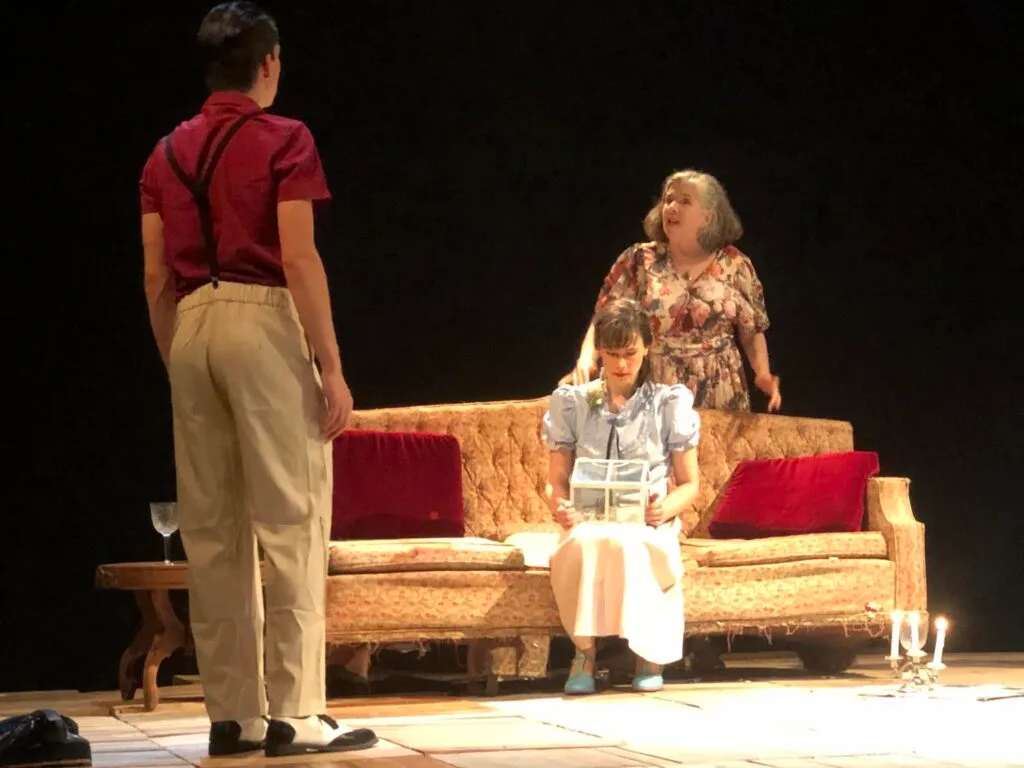
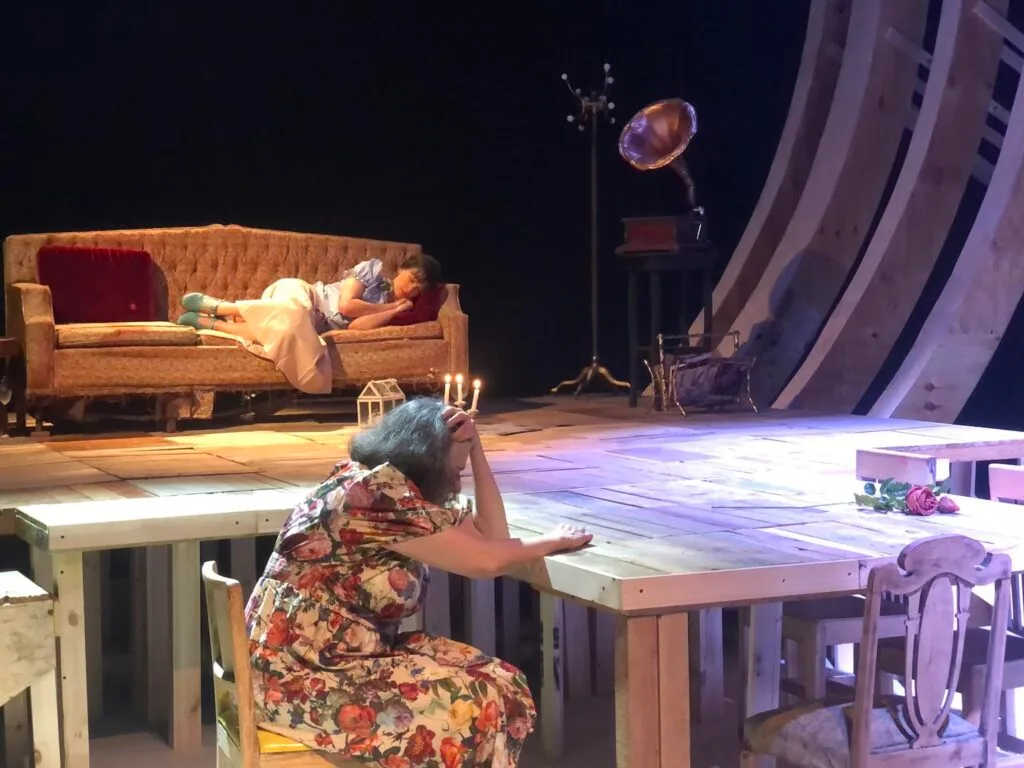
«El Zoológico de Cristal»: refugio de ilusiones, textos y fotos de Lía Rueda, Ciudad de México, 4 de septiembre de 2025


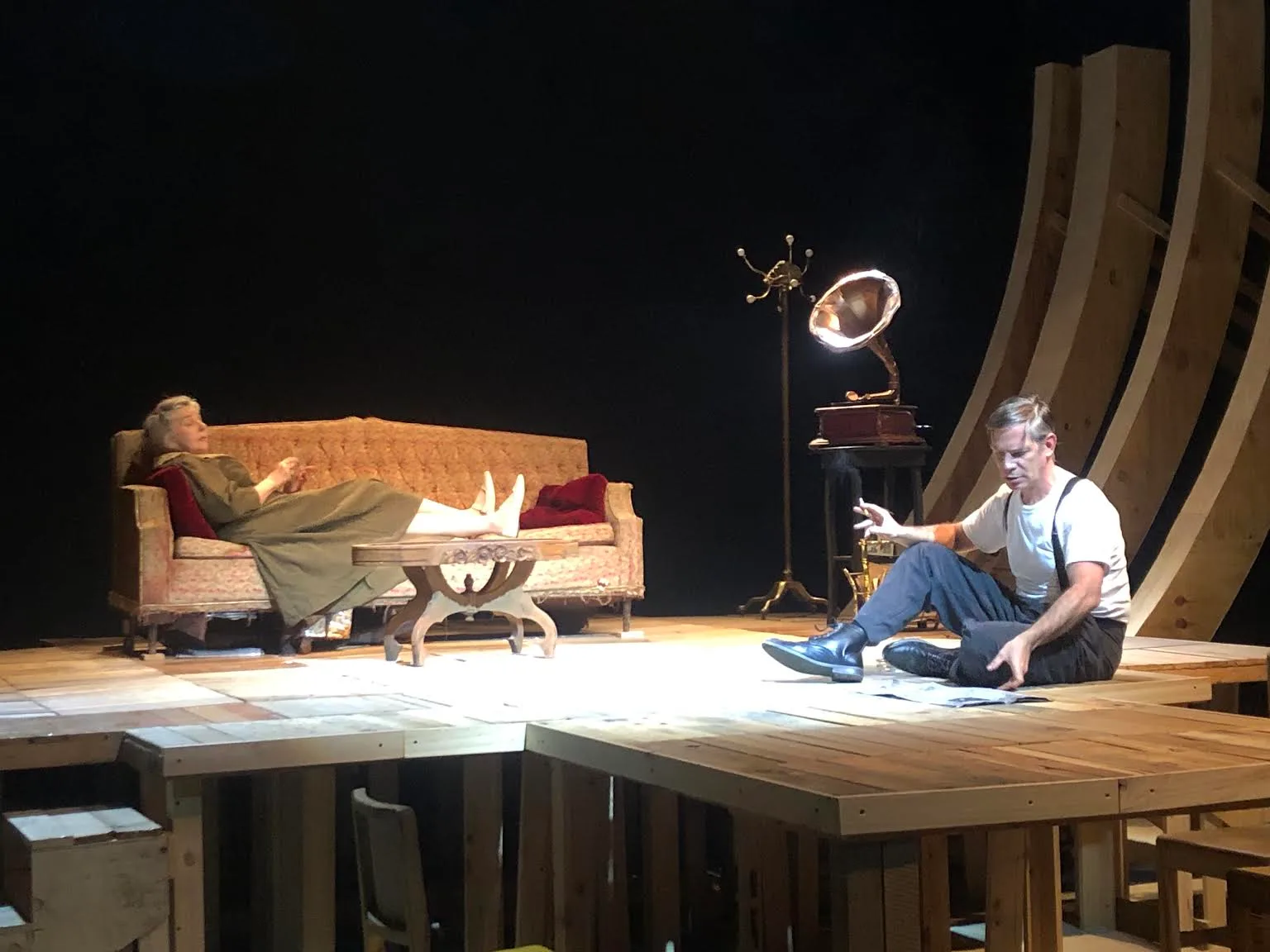
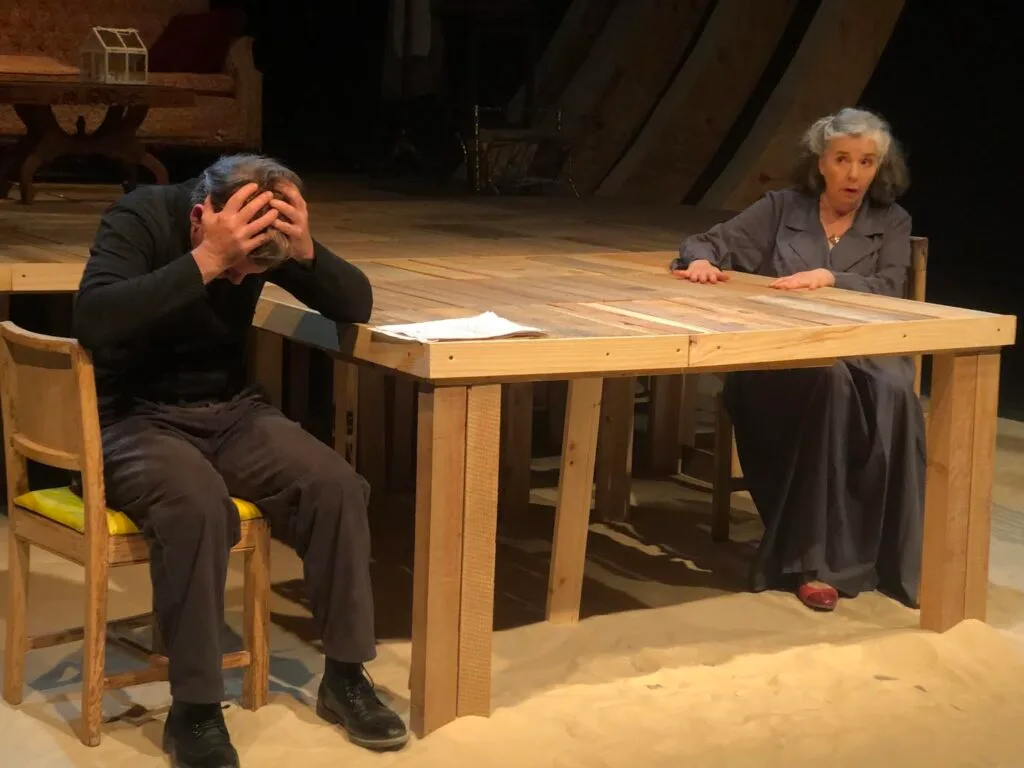
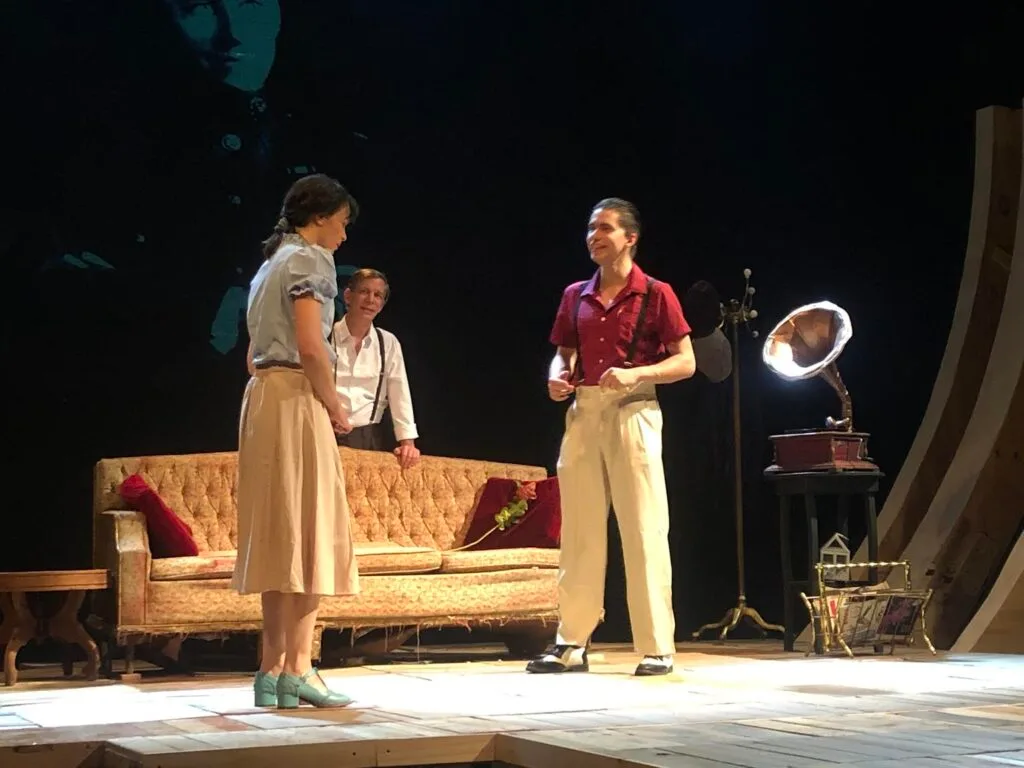
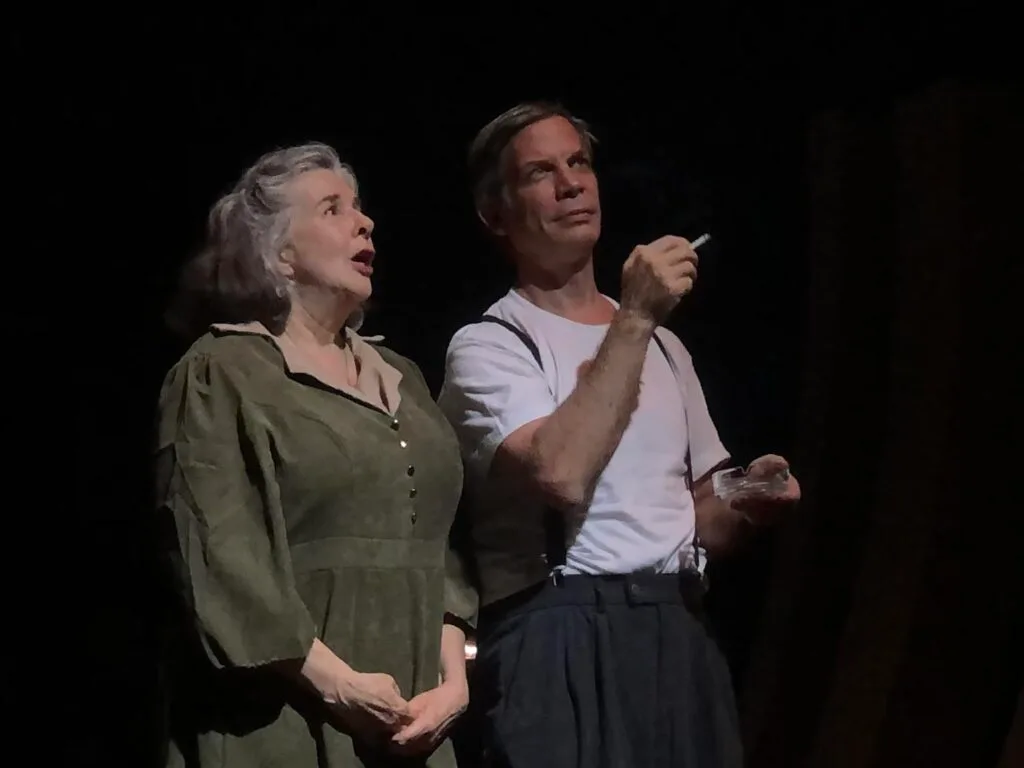
“El Zoológico de Cristal”, de Tennessee Williams, con adaptación y dirección de David Olguín. Protagonizada por un elenco excepcional: Laura Almela, Anaïs Umano, Miguel Cooper y David Juan Olguín Almela.

Una delicada pieza que emplea técnicas no convencionales y destaca por su esencia profundamente poética. Para el espectador, es un alimento para el alma: la escenografía, meticulosamente pensada, crea una atmósfera cálida que te transporta a la década de 1930 durante la Gran Depresión, un tiempo marcado por el miedo y la incertidumbre. La dirección de Olguín es sutil y precisa, logrando un montaje impecable.

¿Quién no ha negado su existencia en algún momento? ¿Quién no ha cuestionado sus defectos? Todos tenemos imperfecciones y, en ocasiones, sentimos que no encajamos. En un mundo dominado por la frivolidad, la superficialidad y las críticas sociales —especialmente en una era obsesionada con las apariencias—, ¿realmente valoramos lo que importa? Es urgente abrir la conciencia y dejar atrás el “qué dirán”, transformando este mundo triste en un lugar menos doloroso.

Amanda Wingfield (Laura Almela), una madre posesiva y controladora, ejerce su dominio como matriarca debido a traumas del pasado que repite una y otra vez. Su hijo Tom (Miguel Cooper) evade el hogar y sus constantes reproches refugiándose en el cine, buscando escapar de una realidad asfixiante. Él es también el narrador de la obra, quien relata cómo abandonó a su familia para liberarse de esa depresión.

Laura (Anaïs Umano), una joven de belleza frágil, vive sumida en su mundo de ilusiones. Es feliz conversando con sus figuras de cristal —animales que son sus únicos amigos—, pero vive acomplejada por una discapacidad física: una enfermedad infantil la dejó con una pierna más corta que la otra.

La madre insiste en que Tom encuentre un pretendiente para Laura, y así lleva a Jim O’Connor, un joven apuesto y de buena familia, con la esperanza de que Laura repita su historia: casarse y huir. Una dolorosa e inmutable realidad ante una vida gris y monótona.

Esta puesta en escena refleja la búsqueda de la fantasía como escape y la liberación a través de los sueños. Explora la depresión con una profundidad que involucra directamente al espectador, funcionando como una terapia liberadora que invita a valorar nuestras virtudes por encima de nuestros defectos.

“El Zoológico de Cristal” se presenta del 29 de agosto al 21 de septiembre de 2025 en el Teatro El Milagro (Milán 24, Col. Juárez).
Horarios: Viernes, 20:00 h; sábados, 19:00 h; domingos, 18:00 h.
Entrada general: $300. Descuentos: Maestros y vecinos de la Alcaldía Cuauhtémoc, $150; estudiantes e INAPAM, $100.
Boletos en taquilla del teatro y en: elmilagro.boletopolis.com

Homenaje a Carlos Giménez y Enrique León en Maracaibo con el estreno de "Agua de Colonia" el 28 de Marzo en el Teatro Baralt

El próximo 28 de marzo, cuando se cumplen  "30 años de ausente presencia" del gran creador teatral Carlos Giménez (1946-1993),  se le rinde un homenaje junto a otro gran artista venezolano, Enrique León, en este  caso para celebrar sus 80 años de vida. Hermoso encuentro de la vida y la muerte de dos seres que han dejado y siguen dejando una gran huella que perdurará para siempre en el arte del mundo.

La cita es en el Teatro Baralt de Maracaibo, Venezuela. "Agua de Colonia" de Enrique León con José Luis Montero, Milton Quero Arévalo, Valeria Barrios y Amanda Morales. Producción y dirección de Milton Quero Arévalo.


Pilu Velver: "La otra mitad"


"Somos las nietas de las brujas que no pudisteis quemar" 


Gracias a Cecilia Bellorín y a Armando Africano por haberme enviado el afiche y el video.